
Smartwatches have become part of daily life, offering tools that claim to improve health and wellness. Many users compare models like the watch gt6 to understand how these devices make a real impact. These watches track movement, monitor vital signals, and guide healthier decisions through simple insights. Their growing presence raises an important question: Are they genuinely supporting better habits and long-term well-being, or simply adding convenience without meaningful results?
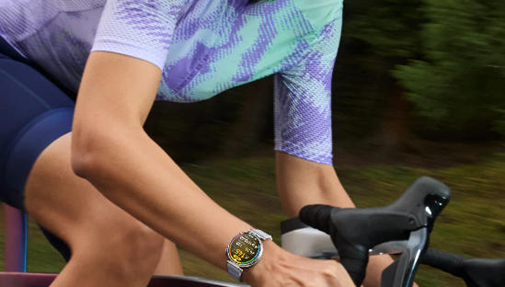
How Smartwatches Influence Everyday Health Habits
Activity Tracking That Encourages Movement
Smartwatches track steps, calories, and active minutes, giving users a clear picture of their movement. This awareness makes people more likely to walk more or take short breaks during work. Visual progress charts motivate small but important improvements. Activity rings or goals add simple challenges that keep users engaged. By making movement measurable, smartwatches help people stay active throughout the day and build a more consistent level of physical activity over time.
Daily Reminders That Support Healthy Routines
Daily reminders help users maintain healthier routines without overwhelming them. Alerts for hydration, stretching, or standing encourage simple actions that add up over time. These reminders reduce long periods of inactivity and promote better posture during work. The watch also nudges users to practice breathing exercises when stress rises. These small prompts create structure and help people stick to healthier habits even on busy days, making wellness easier to maintain.
Behavior Insights That Improve Long-Term Habits
Behavior insights show how daily choices impact overall health. Smartwatches analyze patterns in activity, rest, and stress, turning raw data into easy-to-understand feedback. These insights highlight areas where users can improve, such as adding more steps or improving sleep consistency. Over time, people learn to recognize unhealthy routines and adjust them before they become bigger issues. This long-term view helps users develop better habits that support overall wellness.
The Role of Smart Sensors in Personal Health Monitoring
Tracking Heart, Stress, and Sleep Patterns
Smart sensors measure heart rate, stress levels, and sleep quality to help users understand their body’s signals. Continuous heart monitoring reveals how the body responds to exercise or daily tasks. Stress tracking highlights tense moments and suggests calming activities. Sleep reports break down rest stages and show how well users recover at night. These detailed measurements offer a deeper look into well-being and guide more mindful lifestyle choices.
Recognizing Trends Through Long-Term Data
Long-term data helps users notice meaningful trends rather than isolated numbers. Over weeks and months, smartwatches reveal shifts in heart rate stability, stress cycles, or sleep consistency. This long view helps people understand what affects their health, such as workload, training intensity, or life changes. With clear trends, users can make informed adjustments to protect their well-being. It also builds awareness that supports steady, long-lasting progress.
Early Signals That Help Users Make Adjustments
Smartwatches often detect early signals that something may require attention. Unusual heart rate spikes, poor sleep streaks, or high stress levels can alert users before issues grow worse. These early warnings encourage simple changes like resting more, reducing workout intensity, or taking recovery seriously. By addressing these signs early, users can prevent strain and maintain a healthier balance. This proactive approach helps reduce risks and supports long-term wellness.
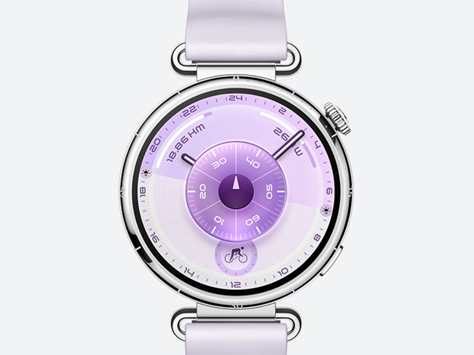
Fitness and Wellness Guidance That Shapes Lifestyle Choices
Real-Time Coaching for Smarter Workouts
Real-time coaching gives users instant guidance during workouts. Smartwatches help control pace, maintain heart rate zones, and adjust training intensity. These cues make exercise safer and more effective. Beginners gain clarity, while experienced users refine their performance. The watch responds to changes quickly, helping users stay on track with their goals. This support makes workouts more structured and helps reduce common mistakes, improving overall fitness outcomes.
Personalized Goals That Boost Motivation
Personalized goals make fitness more engaging. Smartwatches study activity levels and adapt targets to match the user’s progress. Achievements feel rewarding because they align with real capability. As users improve, the watch raises goals gently, keeping progress steady without pressure. This custom support creates consistent motivation, making fitness habits easier to maintain. The sense of accomplishment boosts confidence and encourages long-term commitment to healthier routines.
Recovery Insights That Protect Overall Health
Recovery insights help users avoid overtraining and protect long-term health. Smartwatches show how well the body bounces back after workouts by analyzing sleep, heart rate, and energy patterns. These insights guide decisions on when to rest or push harder. Preventing burnout and injuries becomes easier when users understand their recovery needs. With balanced training and proper rest, users build stronger routines and enjoy better performance over time.
Safety and Emergency Features Supporting User Well-Being
Alerts and Assistance During Health Events
Smartwatches provide safety alerts that support users during unexpected health events. High or low heart rate warnings notify users to check their condition. Some watches can automatically contact emergency services if the user becomes unresponsive. These features offer reassurance during workouts or daily activities. Quick access to help can make a meaningful difference when emergencies arise, giving users more confidence as they go about their routine.
Location and Motion Tools for Active Safety
Location and motion tools add security during outdoor activities. Accurate GPS and motion detection help track routes and provide real-time location data if needed. Friends or family can access location sharing for added safety during long runs or hikes. These tools support independence by ensuring users stay visible and traceable. This added protection allows people to explore new environments while staying connected in case of unexpected situations.
Detection Features That Prevent Serious Risks
Fall detection and irregular movement alerts help prevent serious risks, especially for older adults or solo exercisers. When the watch senses a hard fall or sudden stillness, it sends alerts to check if help is needed. Automatic notifications reach emergency contacts if there’s no response. These tools offer crucial support during accidents or health episodes. By recognizing danger early, smartwatches help users feel safer and more supported throughout the day.
Tech Adoption and Its Impact on Public Health Awareness
Encouraging Preventive Health Mindsets
Widespread smartwatch use encourages people to take a preventive approach to health. Regular tracking helps users stay aware of their habits and spot issues early. This mindset shifts focus from reacting to health problems to avoiding them. People become more intentional about movement, sleep, and stress management. Over time, this awareness contributes to a healthier population that values long-term wellness and daily self-care.
Making Wellness Tracking More Accessible
Smartwatches make health tracking accessible to more people by offering easy-to-read data and simple tools. Users don’t need medical knowledge to understand basic trends. The watch explains metrics in plain terms and provides helpful suggestions. This accessibility empowers individuals to take control of their wellness. It also reduces barriers for beginners who want to start improving their health but aren’t sure where to begin.
Bridging the Gap Between Users and Health Insights
Smartwatches bridge the gap between everyday users and deeper health insights. They gather data that would normally require multiple devices or professional tools. By presenting this information clearly, they help users understand their body better. This connection increases awareness and encourages healthier decisions. As people learn more about their own patterns, they communicate better with healthcare professionals. This collaboration supports stronger personal health management.
Conclusion
Smartwatches offer real value by promoting healthier routines, improving awareness, and supporting safer living. They guide better choices through tracking, coaching, and early signals that help users stay balanced. While they can’t replace professional care, they make daily wellness easier to maintain. Their impact continues to grow as more people adopt them. With consistent use, smartwatches can help support long-term improvements in personal health and overall well-being.