
Wearable technology has transformed our daily lives, offering new ways to monitor our health and enhance our lifestyles. As these devices evolve, they integrate sophisticated features that empower users with actionable insights. Whether through AI-driven apps, innovative sensors, or diversified device formats, today’s wearables are tuned to meet individual needs like never before. For example, the huawei gt6 is an excellent wearable that combines multiple features like heart rate monitoring, fitness tracking, and sleep analysis to help users take control of their health. By focusing on cutting-edge technology that serves real-world purposes, wearables not only gather data but also enable lifestyle improvements and proactive health management in profound ways.
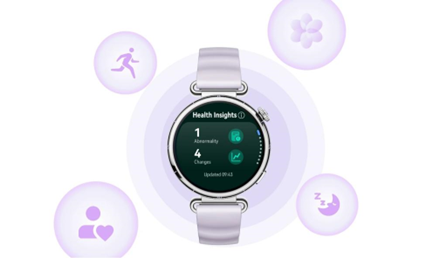
Critical New Features Driving Wearable Innovation
As wearables advance, they bring forward features that redefine tech engagement. These enhancements focus on user-centric functionalities, ensuring value beyond novelty.
Advanced Biometric Sensors
Modern wearables come equipped with high-precision sensors that track diverse health metrics. Heart rate monitors, blood oxygen level detectors, and even ECG apps now fit within compact devices. These sensors provide real-time data, empowering users to maintain oversight over their immediate health status. Moreover, they are not limited to monitoring but also alert users to potential health issues. This capability allows individuals to take preventive actions or seek medical advice based on data-driven insights. Such sensors exemplify the fusion of hardware innovation with healthcare needs, offering a critical bridge to wellness.
AI-Powered Health Insights & Personalized Coaching
Artificial Intelligence in wearables translates data into meaningful insights, customized for individual needs. Beyond mere data collection, AI analyzes patterns to deliver personalized feedback and coaching. For instance, AI can suggest exercise routines tailored to one’s fitness level or offer dietary guidance based on caloric burn. Such personalized interaction not only boosts user engagement but also fosters healthier lifestyle choices. AI’s role as a virtual health coach extends the wearable’s function, ensuring that technology isn’t just reactive but proactively enhances daily habits and long-term wellness.
Seamless Integration & Smart Ecosystem Connectivity
Wearables seamlessly connect with digital ecosystems to ensure a unified tech experience. This connectivity enables users to sync activity data with apps, integrate health metrics with smart home devices, and collaborate with other tech solutions. The interplay with smartphones, health dashboards, and cloud technologies enriches the functionality of wearables. Users can enjoy the convenience of accessing consolidated insights across platforms. This interconnectedness defines wearables not as isolated gadgets but as integral parts of a larger tech framework that supports holistic lifestyle management.
Variety in Wearable Formats — Beyond Wrist Devices
Innovative wearables have transcended traditional wrist-bound formats. Today’s technology offers smart rings, eyewear, and apparel that accommodate diverse user preferences and lifestyles. Wearables have become discreet accessories, never compromising aesthetic or comfort. With this diversity, users can opt for formats that better fit their activities or fashion sense. The adaptability of wearables ensures that health tracking and tech integration are available to everyone, whether through stylish eyeglasses or multi-sensor rings worn daily.
Why These Features Matter?
These advanced features are vital for more than tech novelty; they play key roles in enhancing personal well-being and lifestyle choices.
Better Health Monitoring and Early Warning Signals
Wearables with enhanced sensors become vigilant health monitors. They track real-time data points that indicate physical well-being, alerting users to irregularities. For instance, the continuous monitoring of heart rate variability can signal stress or potential cardiac issues. Early detection allows for timely medical intervention and lifestyle modifications. Wearable tech transforms from a passive gadget to an active guardian, prompting users to act on actionable health data and potentially avert health crises before they escalate.
Holistic Wellness Management
The evolution in wearables supports comprehensive wellness strategies, focusing on mental, physical, and emotional health. Features like sleep tracking provide insights into sleep quality, paving the way for better sleep hygiene and overall mental wellness. Stress tracking, coupled with meditation app integration, allows users to manage daily stressors effectively. These insights, derived from wearable data, empower users to adopt lifestyle changes that holistically enhance their wellbeing. Such management transforms data into a pathway for sustained health improvements.
Flexibility & Personalization — Fit for Anyone’s Health Goals
Wearables personalize health management, catering to varied individual goals and lifestyles. Users can tailor their fitness routines based on personal metrics, ensuring optimal effectiveness. Devices adapt to not only track but also suggest daily activities that suit the user’s unique needs, be it weight loss, muscle building, or endurance training. Wearables thus become indispensable tools for personalized health journeys, reflecting a shift from one-size-fits-all to individual-centric solutions.

Emerging Wearable Tech Features on the Horizon
Future wearables promise even greater advances in technology, pointing the way to innovations not yet mainstream.
More Sensors, Better Biometrics and Health Metrics
Upcoming wearables will integrate even more sophisticated sensors, expanding the scope of biometrics tracked. Emerging sensors promise to measure glucose levels, hydration, and more, offering detailed insights into physiological states. This evolution means wearables will play a pivotal role in comprehensive health monitoring, supporting detailed assessments beyond current capabilities. Users can look forward to unmatched precision in tracking health metrics, turning wearables into personal health laboratories.
Deeper AI Integration and Predictive Health Analytics
AI integration in wearables is set to deepen, moving from reactive insights to predictive analytics. Advanced algorithms will anticipate health trends, foreseeing potential conditions before they manifest. AI will offer users anticipatory guidance tailored to preemptive health actions, long before symptoms appear. This level of predictive analysis can transform clinical practices, leading wearables to facilitate proactive rather than reactive health management, reshaping the landscape of personalized healthcare.
Conclusion
Wearable technology is continually advancing, moving beyond mere convenience gadgets to pivotal health and lifestyle devices. These innovations offer personalized insights, connect seamlessly with technological ecosystems, and adapt to any individual’s health journey. The transformative capabilities of modern wearables reflect the profound impact that sophisticated tech features can have on our lives. As wearable tech evolves, users can expect even greater personalization, proactive health management, and overall lifestyle improvements, underscoring the potential of technology to redefine wellness.