
Power reliability has become a major concern for modern households. Outages now occur more frequently and last longer, leaving families without basic conveniences like refrigeration, lighting, and internet access. Traditional gas generators can fill the gap, but they are noisy, require fuel storage, and need regular maintenance. Solar backup solutions offer a cleaner, safer, and more convenient alternative. Families increasingly see solar generators as a practical solution for everyday energy security. In this article, the reasons families are switching to solar home backup and how to make it work for any household are explored.
1. Outages Are Longer and More Frequent
Storms now knock out power for days
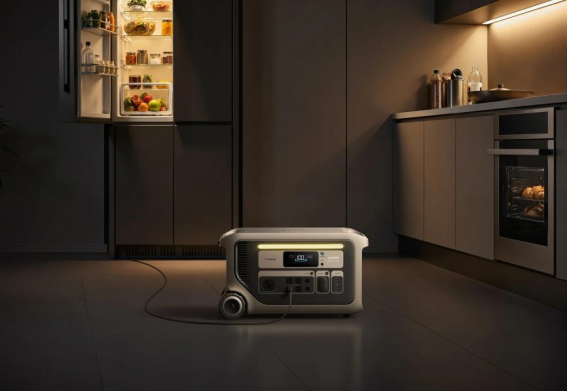
Severe weather events often leave neighborhoods in the dark for multiple days, disrupting daily life and essential routines. Without backup power, refrigerated food can spoil, medical devices stop working, and internet connectivity is lost. Gas generators may run for a few hours at a time, but they require constant refueling and monitoring. Older homes may also face challenges in safely connecting generators without professional installation. Families experiencing repeated outages often feel the strain on both comfort and safety. Understanding these risks makes having a reliable backup solution a priority rather than a luxury.
Gas generators can’t run nonstop without refueling
Even with a full fuel tank, gas generators are limited in how long they can provide continuous power. Refueling during an outage is inconvenient and sometimes unsafe, especially in severe weather. They also emit carbon monoxide, requiring careful placement outdoors and away from windows. Running them for extended periods increases wear and tear and the chance of mechanical failure. Homeowners may find themselves scrambling to maintain power rather than enjoying its benefits. This limitation makes a case for alternatives that do not rely on fuel or constant attention.
2. Solar Runs on Free, Unlimited Fuel
Sun recharges batteries daily at no cost
The solar generator for home leverage sunlight to replenish their batteries, providing a virtually unlimited energy supply during daylight hours. Households can store electricity during the day and use it at night, reducing dependence on the grid. The process is silent and requires minimal intervention, offering a seamless transition from solar collection to household use. Families with moderate energy needs can easily manage essential devices like lights, Wi-Fi routers, and small kitchen appliances. The self-sufficiency of solar energy brings both convenience and cost savings. This approach also reduces environmental impact compared with gas-powered alternatives.
No gas station trips or fuel storage needed
Solar generators eliminate the need for purchasing, storing, and handling flammable fuel. There is no risk of spills, leaks, or expired gasoline, which can complicate long-term storage. Homeowners can place solar panels on rooftops, patios, or backyards without major renovations. The ability to produce energy wherever sunlight is available makes it a flexible solution for older homes. With integrated battery storage, energy is available when needed, not just when the sun is shining. For many families, this simplicity is a key reason for switching to solar backup.
3. Solar Is Safe for Indoor Use
Zero carbon monoxide emissions
Unlike gas generators, solar systems produce no harmful fumes, allowing safe operation indoors or in garages. This safety reduces the risk of poisoning and the need for constant ventilation. Families can run devices in living spaces without worrying about air quality. Modern solar generators are designed with built-in safety features to prevent overload or short circuits. They are compatible with household wiring and can power essential appliances efficiently. This indoor safety factor makes solar backup an attractive option for families with young children, pets, or medical equipment.
Run it in the garage or basement safely
Solar generators can be positioned conveniently near the devices they power, making setup easy for temporary or permanent use. They do not require venting or special enclosures, unlike gas-powered systems. This flexibility allows integration into small homes or older houses with limited outdoor space. Safety protocols are simplified, and monitoring energy usage becomes straightforward. It also reduces the risk of accidents compared with handling fuel and engines. For many, this convenience is as valuable as the power itself.
4. Solar Is Quiet Enough for Overnight Use
No loud engines disturbing sleep
One of the most noticeable differences between solar and gas generators is noise. Solar systems operate silently, making them suitable for bedrooms, home offices, and overnight use. Families can maintain normal routines without disruption during blackouts. There are no exhaust fumes or vibration, which often accompany gasoline units. Quiet operation allows placement close to living spaces without annoyance or complaints. It also supports mental well-being by reducing stress associated with noise pollution.
No neighbor complaints about noise
Solar generators provide peace to the household and surrounding neighbors. Even in dense residential areas, there is no risk of complaints due to engine noise. Communities can maintain harmonious relations while still benefiting from emergency power. For families with sensitive sleepers or home offices, this factor becomes a major consideration. Silent operation adds to the overall convenience of daily energy management. It is a practical advantage that traditional gas generators cannot match.
5. Solar Requires Almost No Maintenance
No oil changes, spark plugs, or winterizing
Solar generators eliminate the routine maintenance tasks required by gas units. There are no spark plugs to replace, oil changes to perform, or fuel lines to winterize. Components are designed to be durable, with few moving parts that can fail. Families can focus on using stored energy rather than maintaining a machine. This simplicity reduces stress and long-term costs. With minimal attention needed, solar backup becomes a true plug-and-play solution for homes.
Just charge and store until needed
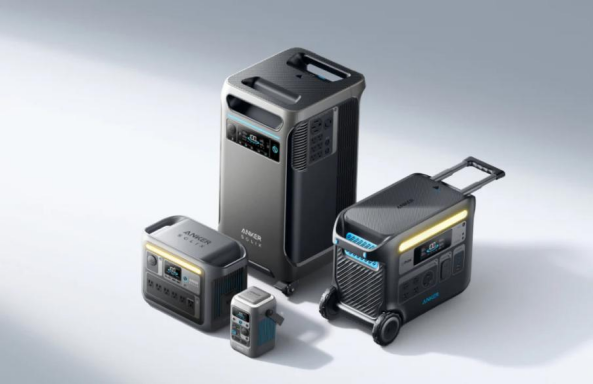
Modern solar generators make backup power remarkably simple. Units like the Anker SOLIX can be charged from sunlight or the grid and then stored safely until needed, ready to supply power instantly. Their compact, portable design allows families to place them wherever essential devices are located, from the living room to a home office or even outside. This flexibility means lights, Wi-Fi, and small appliances are available whenever an outage occurs. Minimal setup and no ongoing maintenance make them convenient for both planned and unexpected power interruptions. For households seeking reliable, low-effort energy backup, this approach integrates seamlessly into everyday life.
Conclusion
Solar backup systems are transforming how families manage electricity in older homes. They offer safety, quiet operation, low maintenance, and energy independence while avoiding fuel costs and environmental hazards. Portable solar power stations and solar generators for home use make integration simple and flexible, even without major renovations. With the ability to store energy and deploy it on demand, households gain both peace of mind and financial savings. The combination of safety, convenience, and sustainability explains why more families are choosing solar solutions. Modern solar backup has become a practical, everyday tool for home energy security.